


Indigenous Women Rangers—Enhancing capability to manage Country
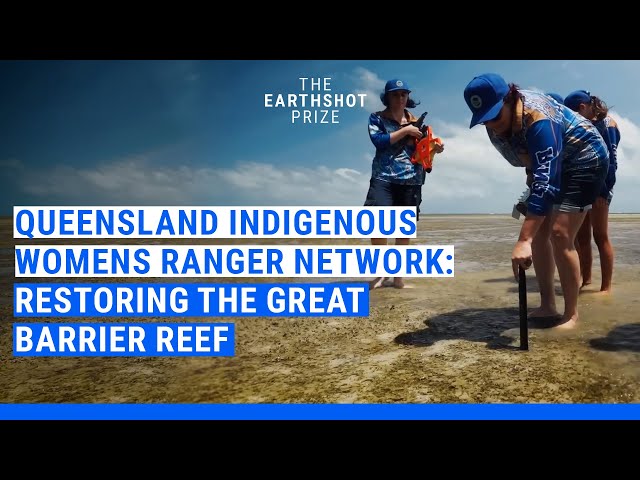
Queensland Indigenous Land and Sea Rangers play an essential role in managing the environmental and cultural values of Country across Queensland. Through the Queensland Government’s Queensland Indigenous Land and Sea Ranger Program, First Nations organisations in 47 communities receive funding to employ ranger teams that deliver on-Country work guided by Traditional Owner priorities.
Queensland Indigenous Womens Ranger Network
In 2018, the Indigenous Land and Sea Ranger program funding the establishment of the Queensland Indigenous Womens Ranger Network. It was established in response to the needs identified by women rangers for training and appropriate recognition of women’s unique cultural roles, perspectives and skills in managing Country.
“Women are extremely important in leadership roles. We are central to shaping our community and nurturing our ghundus (younger generations). By stepping up and showing leadership, we also provide a pathway for other younger women to aspire to roles as rangers, caring for Country.” Chantel, Butchulla Aboriginal Corporation.
Yuku Baja Muliku Landowners and Reserves (a Cooktown-based Traditional Owner group) hosts and coordinates the Network.The department and, at times, the World Wildlife Fund, the Great Barrier Reef Trust and various philanthropic organisations provide funding.
Under the inspirational leadership of Managing Director Yuku Baja Muliku woman Larissa Hale, the network has:
- grown to more than 200 members
- held statewide workshops
- delivered hundreds of training outcomes for women rangers across various skill sets.
“Listening to the women’s stories, you can see and hear the dedication and passion these women have for their culture and caring for Country and its people. It’s so inspiring and empowering to be part of the Queensland Indigenous Women’s Ranger Network.” Zeila, Yuku Baja Muliku.
Training outcomes
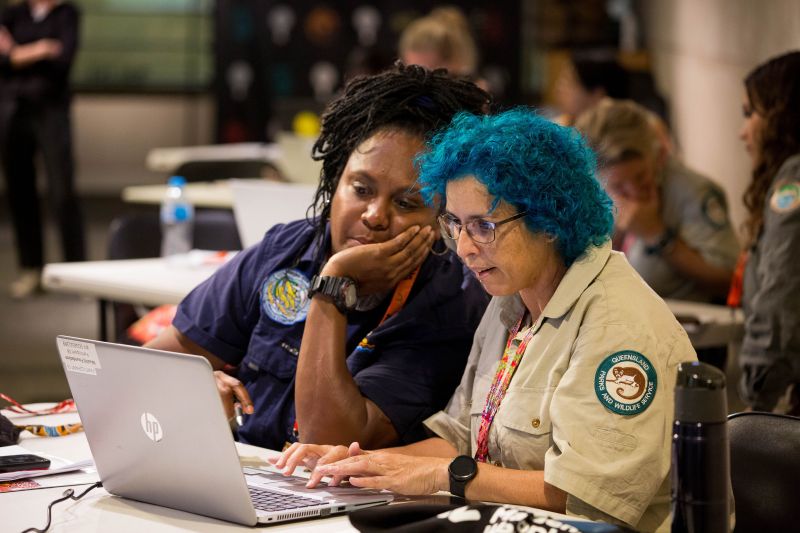
The training has bolstered women rangers’ confidence and capabilities in managing Country. It has included:
- Geographic Information System (GIS) cultural mapping
- drone-based monitoring
- biodiversity monitoring
- videography
- presentation skills
knowledge exchange visits to partner organisations like the Australian Institute of Marine Science.
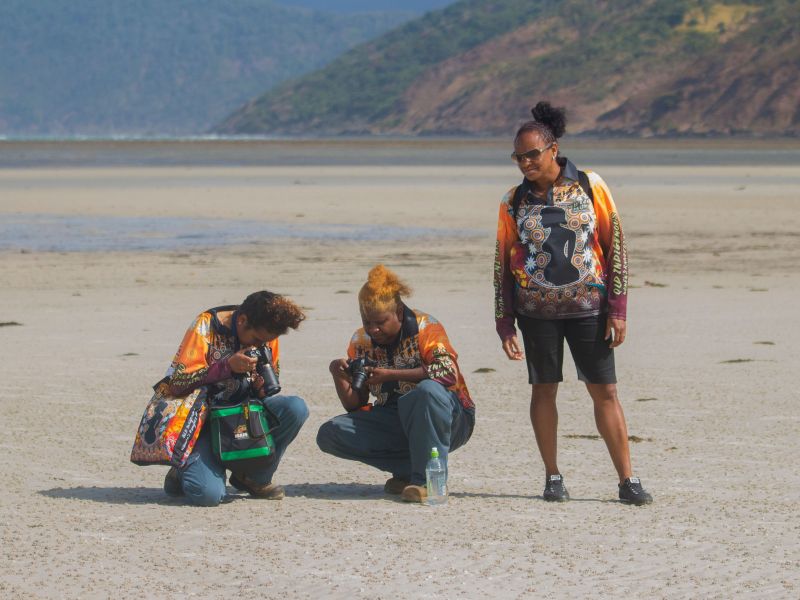
Women rangers have used their enhanced capabilities within their ranger teams. They have contributed to sea country work, such as:
- drone monitoring of seagrass cover and coral bleaching
- water quality testing
- seabird surveys
- turtle nesting monitoring
- biosecurity surveys along Queensland’s coastlines.
A mentoring program has been in place for several years to support women rangers in their day-to-day roles and to help them progress in their careers.
The Network now supports Indigenous women rangers employed in First Nations-managed organisations and Queensland Parks and Wildlife Service.
Global recognition
Recently, the Network won the Revive our Oceans category of The Earthshot Prize, receiving global recognition for their achievements in empowering women rangers and building community connections. The Earthshot Prize spotlights and helps grow innovative environmental work through financial support. Since winning, the Network has committed to grow nationally and internationally over the next few years while retaining a core focus on Queensland women rangers.
“It’s important to empower women to become rangers knowing they can equally help to look after land and sea to keep it healthy and protected for generations.” Cindy-Lou, Girringun Aboriginal Corporation.
 © QIWRN
 © QIWRN