


Queensland Betterment Funds for resilient communities
Queensland leads Australia in building resilience in its communities through betterment programs. These programs allow local governments and state agencies to rebuild essential public assets to a more disaster-resilient standard, helping them withstand the impacts of future disasters caused by natural hazards.
Queensland’s Betterment Funds are jointly funded (50:50) by the Australian and Queensland Governments under Category D of Australia’s Disaster Recovery Funding Arrangements (DRFA).
The first Queensland Betterment Fund
The Queensland Government, through the Queensland Reconstruction Authority (QRA), initiated the first Queensland Betterment Fund in February 2013 after Severe Tropical Cyclone Oswald caused more than one billion dollars in damage to essential public assets. Many of these assets had been repeatedly impacted and restored after earlier disasters in 2011 and 2012, only to be damaged again in 2013.
The 2013 Queensland Betterment Fund provided $80 million for better asset rebuilding. This enabled assets to be built to a standard that would be more disaster-resilient, reducing the risk to the community and future reconstruction costs from subsequent events. Under the fund, local governments identified assets like roads, water supply infrastructure, bridges and drainage systems for betterment, which would provide resilience and risk reduction benefits for their communities.
Reconstruction costs
A review of the reconstruction costs associated with Queensland Betterment Funds revealed that an investment of $244 million in projects that have been re-impacted has saved an estimated $988 million dollars in avoided reconstruction costs.
Some of the re-impacted projects completed since 2017 or 2019 have already highlighted the benefits of betterment. Given the number of disasters that impact Queensland each year, the avoided costs are expected to continue increasing.
Community impacts
The Queensland Betterment Fund has achieved substantial cost savings through more resilient infrastructure and improved people’s lives in the impacted communities. Roads, bridges and other infrastructure can now withstand weather events and return to full function much sooner after a disaster.
Betterment Funds can:
- increase the resilience of Queensland communities to the impacts of natural hazards
- reduce the future costs of natural disasters on asset restoration
- reduce incidents, injuries and fatalities during and after disasters
- improve asset utility and connectivity during and after disasters.
The Queensland Betterment Funds are a great example of all levels of government working together to improve the resilience of Queensland communities. Through various programs, local governments have been empowered to assess, plan, and implement disaster resilience at a grass-roots level. This enables work to begin as soon as possible after a disaster and helps to mitigate the impact on local communities.
Betterment in action: Aurukun Access Road
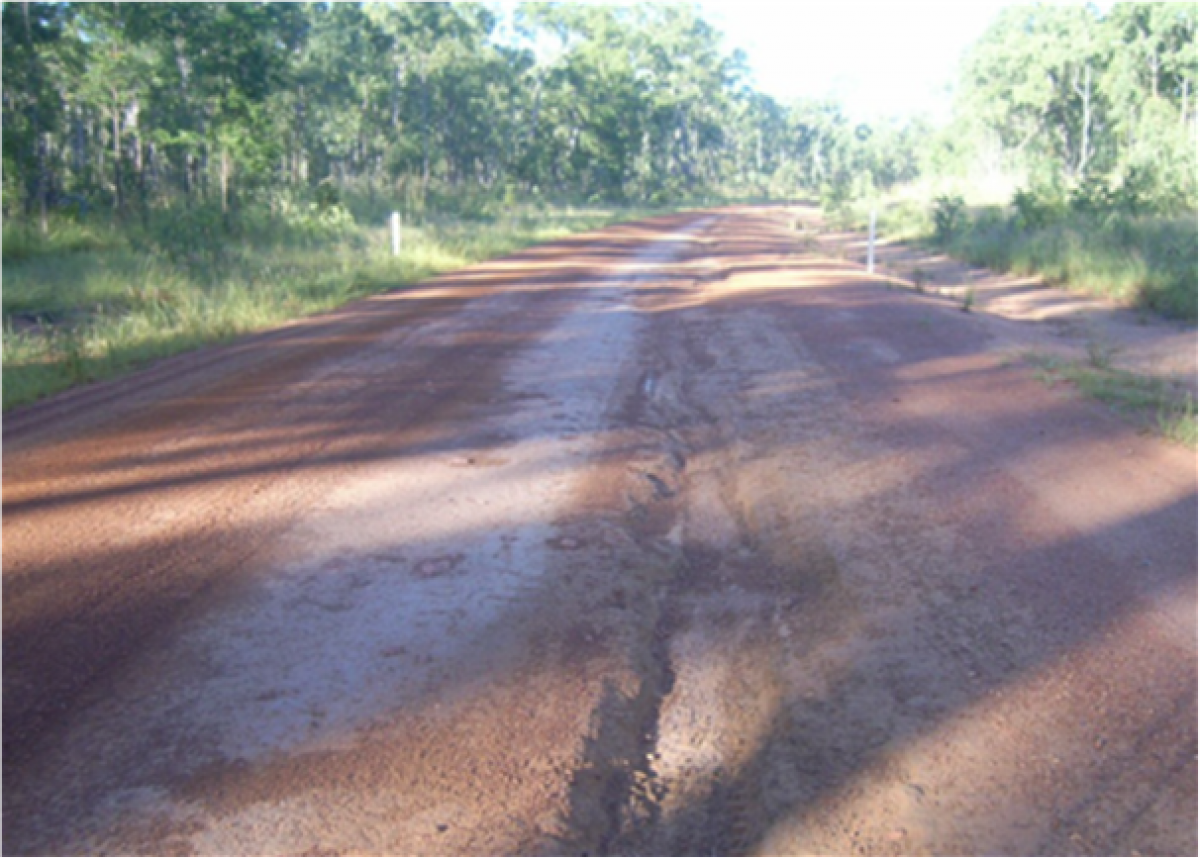
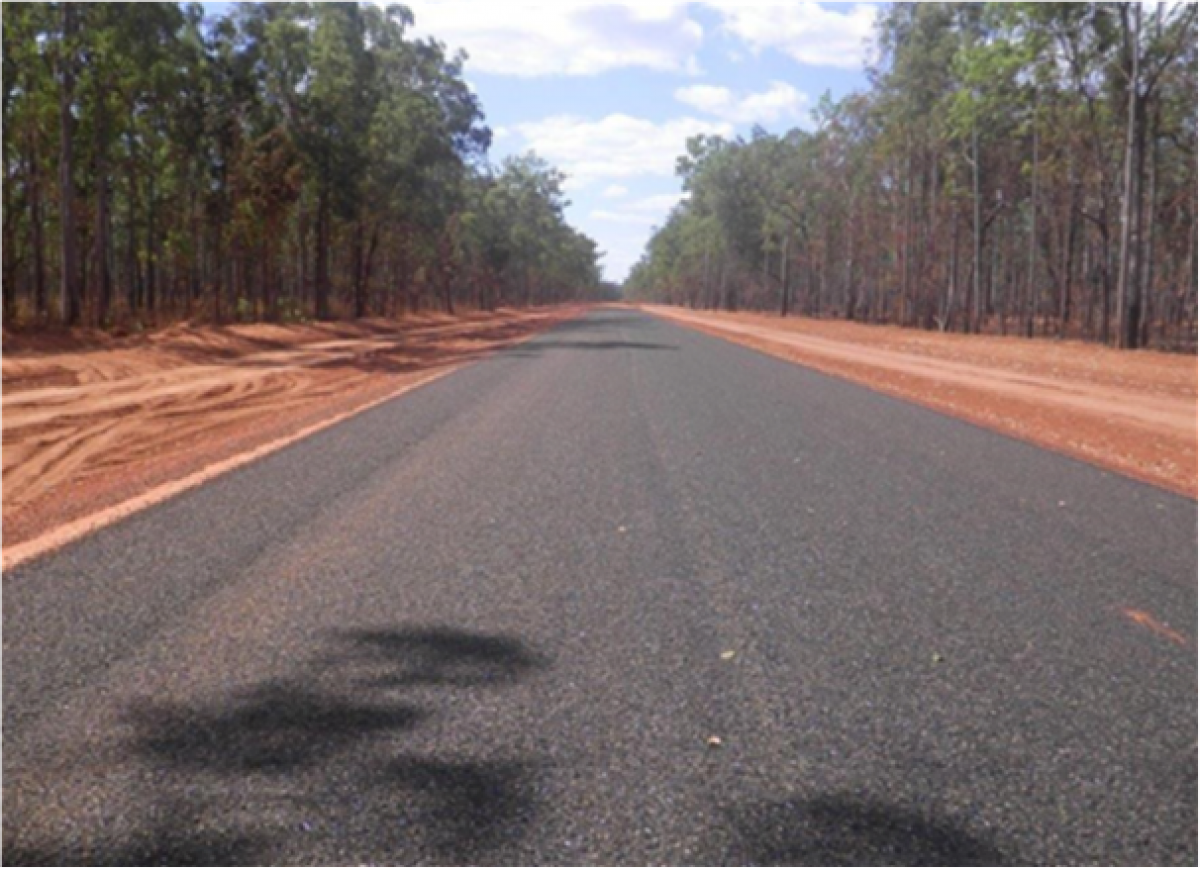
The Aurukun Access Road was a gravel road that provided the only road link to and from the remote Aurukun community in Far North Queensland. The road was damaged in 2010, 2011, 2012 and 2013.
Betterment funding from 2013 was used to bitumen-seal a ten-kilometre section of the road that was particularly vulnerable to flood damage. This section has since withstood the impacts of ten separate natural disaster events—the most frequently impacted betterment project to date. It remained functional with only very minor damage.
In addition, 2019 betterment funding ($1.2 million) was used to infill scoured sections of the road and stabilise the shoulders and embankments, which were subsequently impacted by two events in 2022.
- Restoration (2013 and 2019 Betterment projects): $979,366
- Betterment (2013 and 2019 Betterment projects): $2,299,783
- Avoided cost over ten events: $8,637,947
- Indirect benefits (based on 135 days of disruption): $3,945,762
Total benefit over ten events: $10,283,926
 © QRA Media
 © QRA Media