


Partnering with First Nations to manage Country
 © Photo courtesy Carpentaria Land Council Aboriginal Corporation
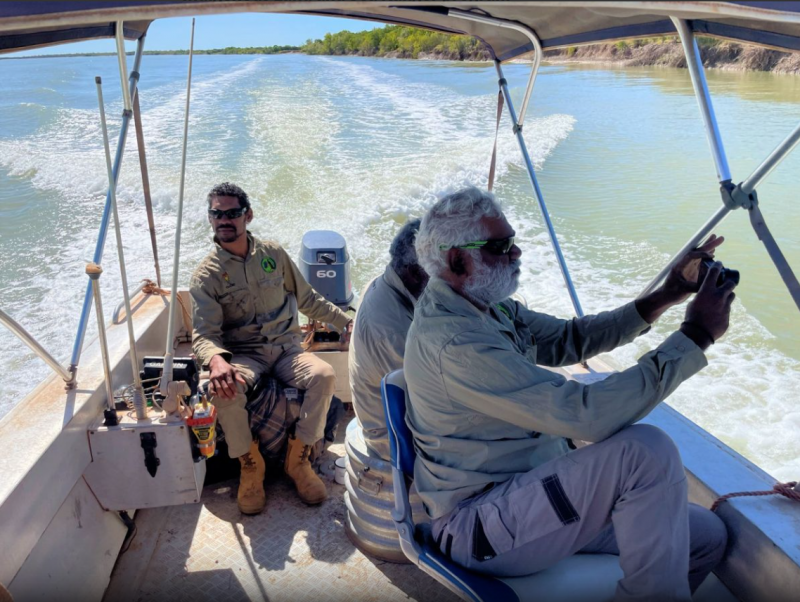
The Queensland Government is committed to strengthening partnerships with First Nations peoples to manage the protected area estate and the broader landscape. These partnerships recognise the deep skill and knowledge that come from successfully managing Country over thousands of generations. These partnerships involve two-way learning and result in improved environmental, economic, social and cultural benefits for all Queenslanders.
The Department of the Environment, Tourism, Science and Innovation is working responsively to provide a range of policy and program solutions that reflect the variety of experiences that different communities face because of colonisation, historic adverse policy, and legislative regimes.
Aboriginal and Torres Strait Islander people’s legal rights and interests
Indigenous Land Use Agreements
An Indigenous Land Use Agreement (ILUA) is a voluntary, legally enforceable agreement between Aboriginal peoples and Torres Strait Islander peoples who hold or may hold native title, and other parties, such as mining companies, pastoralists, or government entities, regarding the use and management of land or waters. ILUAs can address a variety of issues, including:
- future development
- coexistence of different land and water uses
- access arrangements
- compensation
- other relevant matters.
As of July 2024, ILUAs have been registered across 51.5% of Queensland, with 915 registered agreements for areas and body corporates. There are 71 ILUAs across Queensland’s protected areas, and Cape York Peninsula alone has 24. While ILUAs allow for the coexistence of multiple land and water uses, they may sometimes provide limited or no access for Indigenous land management purposes.
Protected areas
For Aboriginal and Torres Strait Islander peoples, Country is deeply connected to their physical and spiritual identity and their relationship and obligation to care for land, air, sea, and sky that hold the stories of their ancestors and deep time. The Queensland Government recognises delineating space through lines on a map often contradicts how First Nations peoples inhabit and relate to Country.
In 2023, the Queensland Government achieved a historic land management outcome in partnership with the Waanyi people in remote North-West Queensland. Tranche 1, consisting of 79,000ha of Boodjamulla (Lawn Hill) National Park, was handed back to the Waanyi people. This outcome included the first leaseback arrangement of a national park and the creation of the first National Park (Aboriginal land) tenure in Queensland. This historic and unique co-management model was developed in partnership with the Waanyi people and the Queensland Parks and Wildlife Service and Partnerships (QPWS&P) to manage this incredible Country, which includes the Riversleigh World Heritage site – home to an extraordinarily diverse collection of fossilised mammals in limestone.
The Cape York Peninsula Tenure Resolution Program is returning lands to Aboriginal peoples and delivering conservation outcomes through enhanced environmental protections (growing national parks (Cape York Peninsula Aboriginal Land) or nature refuges and transitioning existing parks to an underlying tenure of Aboriginal Land).
In the reporting period 2020-2024, over 600,000 hectares of land was handed back to Traditional Owners, bringing the total to over 4.3 million hectares. These areas include Aboriginal freehold, National Park (Aboriginal Land) and National Park (Cape York Peninsula Aboriginal land). The majority (98%) of this area within the Cape York Peninsula.
Indigenous Protected Areas
Indigenous Protected Areas (IPAs) are regions where Indigenous communities dedicate their traditional lands and seas to conservation. These areas are managed by Indigenous people, with support from the Australian Government through its IPA Program. Established in the late 1990s, the IPA Program was developed in partnership with Traditional Owner groups and aims to encourage the voluntary long-term stewardship of land and sea Country. In return, Traditional Owners receive funding and assistance to develop and implement management plans for the conserving natural and cultural values.
Initially, IPAs were limited to lands exclusively owned by Indigenous people. However, in recent years, IPAs have expanded to include other types of land tenure, with Indigenous groups in coastal and island areas successfully incorporating marine environments into new and existing IPAs. This broader approach helps integrate traditional ecological knowledge with modern land management practices.
IPAs represent a valuable part of Australia's protected area network. As of 2022, Queensland had six designated IPAs covering 875,022 hectares, which accounts for 0.51% of the state’s protected areas.
Formal joint management with Traditional Owners
Most parks and protected areas, regardless of their governance type, engage broadly with the community and have diverse partnerships with stakeholders, including with Indigenous Traditional Owners.
Formal joint management now exists in numerous protected areas in Queensland. The extent to which Traditional Owners can fully and equitably share the governance depends on numerous factors. Recently, considerable progress has occurred in power-sharing through a range of models, including the following examples:
- Legislated Joint Management in Cape York Peninsula, Minjerribah (North Stradbroke Island) and Mulgumpin (Moreton Island)
- Resolution of historic Aboriginal Land Act claim over Boodjamulla National Park Collaborative management obligations across the remainder of the estate facilitated through a range of authorising instruments including departmental policies
Marine Park management
Since the establishment of the Great Barrier Reef Marine Park in 1975, greater effort and focus have been put on engaging Indigenous people in the management and co-management of existing and new marine parks.
Progress towards formal joint management of marine parks has generally been slower than for terrestrial parks. Nevertheless, policies such as including the recognition of Indigenous fisheries, support for ranger groups working on sea Country, and the inclusion of cultural values in planning have empowered Traditional Owner roles in their marine estates.
A Marine Memorandum of Understanding (MoU) now exists between the State of Queensland and the Quandamooka People, represented by the Quandamooka Yoolooburrabee Aboriginal Corporation (QYAC), for increased involvement and management of Quandamooka Sea Country within the Moreton Bay Marine Park.
The North Stradbroke Island (NSI) Region Indigenous Joint Management Area (IJMA) officially created 13,875 hectares under the Nature Conservation (Protected Area) Regulation (NC(PA) supported by the NSI ILUA and Indigenous Management Agreement (IMA) in 2011, and this includes Protected Areas on Minjerribah (NSI) and Teerk Roo Ra (Peel Island).
The Cangen-Yangan IJMA officially created 17,039 hectares under the NC(PA) Regulation supported by the Mulgumpin (Moreton Island) ILUA and IMA in 2019-2020.
Traditional use of marine resources continues to provide for and benefit Traditional Owners through environmental, social and cultural factors. Since 2019, one new Traditional Use of Marine Resources Agreement (Darumbal) has been accredited, bringing the number of groups within the program to ten. These ten groups and the two ILUAs cover around 46% of the marine park coastline (an increase of 18%).

Aboriginal and Torres Strait Islander people employed in water and land management in Queensland
The Queensland Government is committed to employing Aboriginal peoples and Torres Strait Islander peoples under Chapter 2 of the Public Sector Act 2022, which seeks to promote their employment and under the commitment to Reframing the Relationship in Chapter 1 of the Act.
The Queensland Government has an employment target of four per cent of the workforce, which equates to 12,322 Aboriginal peoples and Torres Strait Islander peoples. As of March 2024, 2.66% of the workforce, or 8,187 employees, are Aboriginal peoples and Torres Strait Islander peoples.
Since 2022, the proportion of Aboriginal peoples and Torres Strait Islander peoples in the Queensland public sector has trended upwards. While results have been trending upwards, the attraction and retention of Aboriginal peoples and Torres Strait Islander peoples is critical to reaching the diversity target and ensuring the sector represents the community it serves.
The Aboriginal peoples and Torres Strait Islander peoples working for the Queensland Government work across multiple agencies. The exact number is difficult to measure. Several work programs support the employment of Aboriginal peoples and Torres Strait Island peoples to work for and on Country.
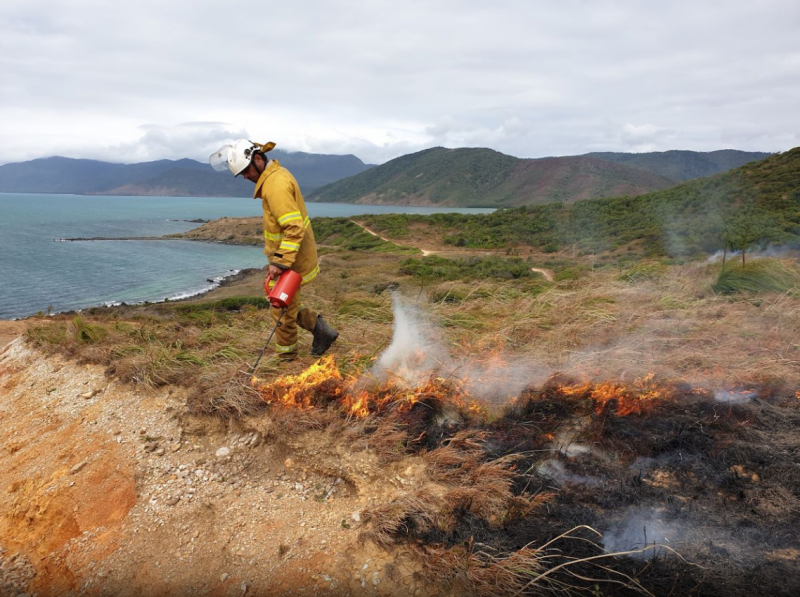
- The Queensland Indigenous Land and Sea Ranger Program supports over 200 rangers in 47 regional and remote communities to deliver whole-of-landscape environment and cultural conservation activities. The establishment of a two-year Indigenous Ranger Leadership Program, delivered by First Nations people, has supported 50 participants since its launch in 2019. About 85% of participants have secured a higher role and a range of other positive benefits.
- The Queensland Indigenous Womens Ranger Network (QIWRN) was created in 2018 to create opportunities and support career pathways for Aboriginal women and Torres Strait Islander women dedicated to looking after their Country and culture. Co-designed by Indigenous women, government and non-government agencies and other stakeholders and delivered by Yuku Baja Muliku Landowner and Reserves Ltd, the QIWRN is a highly collaborative program delivering lasting support, opportunities and security for Indigenous women rangers across Queensland. In 2024, QIWRN hosted two forums providing networking, support and training for over 240 women from Lake Eyre Basin to the Torres Strait Islands.
The critical role played by Indigenous land management is also evident when natural disaster strikes. Following devastating floods across North-Western Queensland, ranger groups across the region, including the Gangalidda Garawa Rangers, the Normanton Land and Sea Rangers and Ngumari Waanyi Rangers, played a key leadership role in the critical response and recovery work. Similarly, following Cyclone Jasper in Far North Queensland, several ranger groups, including Jabalbina, Mapoon, Yuku Baja Muliku and the Balngarrawarra Rangers, provided crucial incident support, advice and leadership.
Register of cultural heritage places
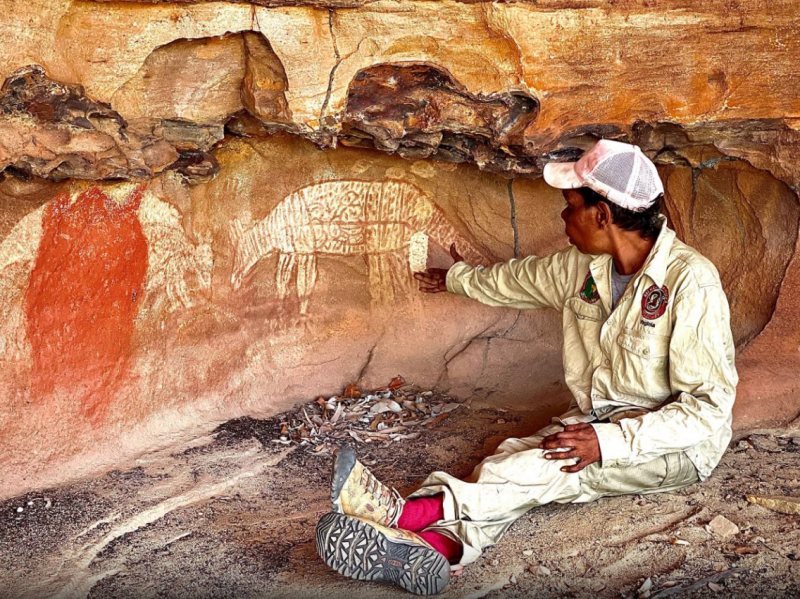
The Aboriginal and Torres Strait Islander cultural heritage register records 46 places for Queensland. Since April 2020, 37 new places have been recorded on the register, all added by an Aboriginal party in the South cultural heritage region.
The register is established and maintained under Part 5 of the Aboriginal Cultural Heritage Act 2003 and the Torres Strait Islander Cultural Heritage Act 2003. All information recorded on the register is available to the public. It provides an important mechanism for Aboriginal and Torres Strait Islander peoples to identify and protect places of cultural significance.
The register includes information from cultural heritage studies carried out under Part 6 of the legislation, which include formal assessments of an area’s significance and recommendations for its ongoing management.
By adding places to the register, the Aboriginal party ensure that these culturally and environmentally significant areas are recognised and considered in land-use planning and environmental decision-making.
This process strengthens Indigenous participation in managing Country by:
- embedding cultural values in planning frameworks ,
- ensuring stronger legal protections for important sites , and
- guiding how land and natural resources are cared for into the future .
Recording places on the register ensures that landscapes of cultural and ecological value are safeguarded, supporting Indigenous stewardship of Country and reinforcing their role in environmental management.
 © Yuku Baja Muliku Landowner Reserves Ltd
 © Balnggarrawarra (Melsonby) Rangers
More information:
- National and international frameworks that support caring for Country
- Australian Institute of Aboriginal and Torres Strait Islander Studies
- Great Barrier Reef Marine Park Authority
- Great Barrier Reef Outlook Report 2024
- Australian Bureau of Agricultural and Resource Economics and Sciences (ABARES)
- Register of Indigenous Land Use Agreements
- Aboriginal peoples and Torres Strait Islander peoples
- Workforce statistics
- Queensland Indigenous Womens Ranger Network
- Indigenous Land and Sea Ranger program
- Aboriginal and Torres Strait Islander cultural heritage