


Improving air quality monitoring in Queensland
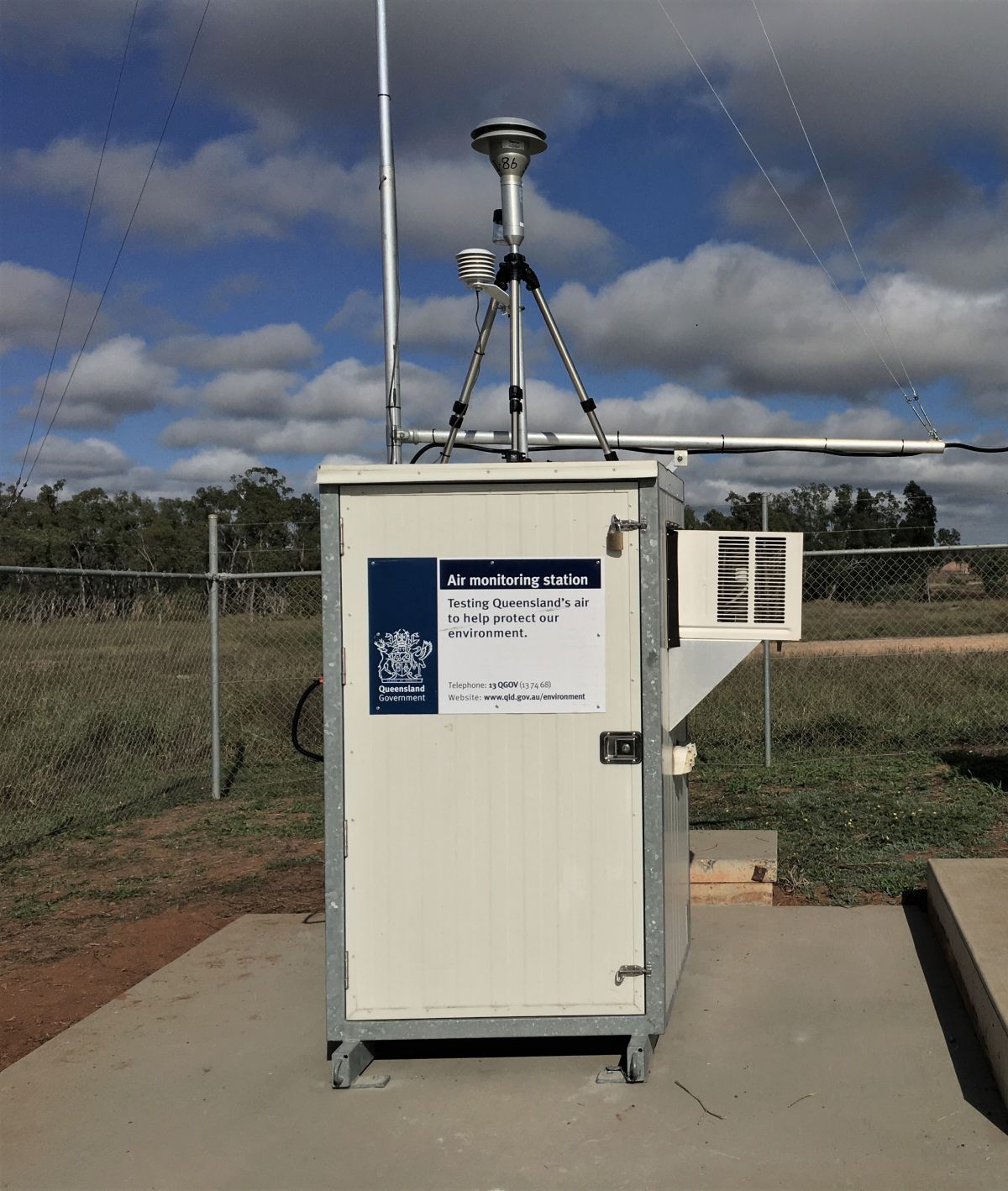 © DETSI Air Quality Monitoring
During bushfire smoke episodes, data from the state-wide air quality monitoring network underpins public health alerts. In recent years, the Queensland Government has expanded and enhanced its air quality monitoring.
During the severe 2019-‑2020 summer bushfires, PM2.5 (particles less than 2.5 micrometres in size, i.e. the size that includes smoke particles) was measured at just 17 locations in Queensland. Communities without a local monitoring presence did not get targeted health protection advice.
Where monitoring data was available, the government’s air quality website lacked guidance on health protection actions appropriate to the exposure levels. The 2020 Royal Commission into National Natural Disaster Arrangements report echoed these issues.
In response to these findings, Queensland’s air monitoring network expanded more than five‑fold between 2021 and 2024 to almost 100 PM2.5 monitoring sites. The network expansion involved upgrading and establishing new air monitoring stations in larger population centres and installing particle sensors in smaller communities and larger residential areas to enhance coverage.
Meeting national protocol
The air quality website now conforms to the national particle reporting and health messaging protocol approved by the Australian Health Principal Committee, addressing the previous lack of health protection guidance.
The protocol standardises the PM2.5 categories, colour scheme and health messaging reported by Australian states and territories. Health protection guidance is provided for:
- sensitive groups, such as people with a heart or lung condition, infants and young children, and people over the age of 65
- everyone else.
The monitoring network data is published online within one hour of the measurements.
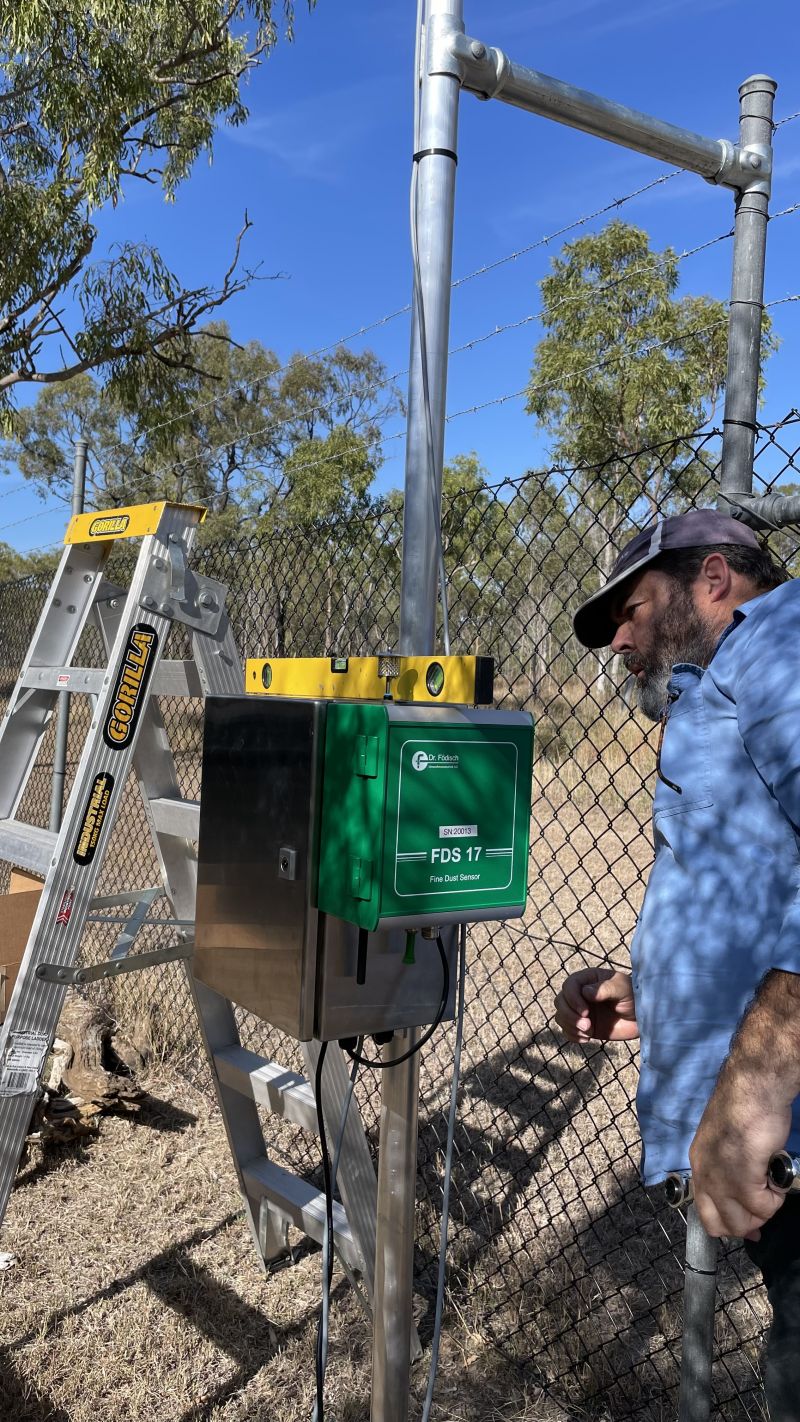 © DETSI Air Quality Monitoring
 © DETSI Air Quality Monitoring
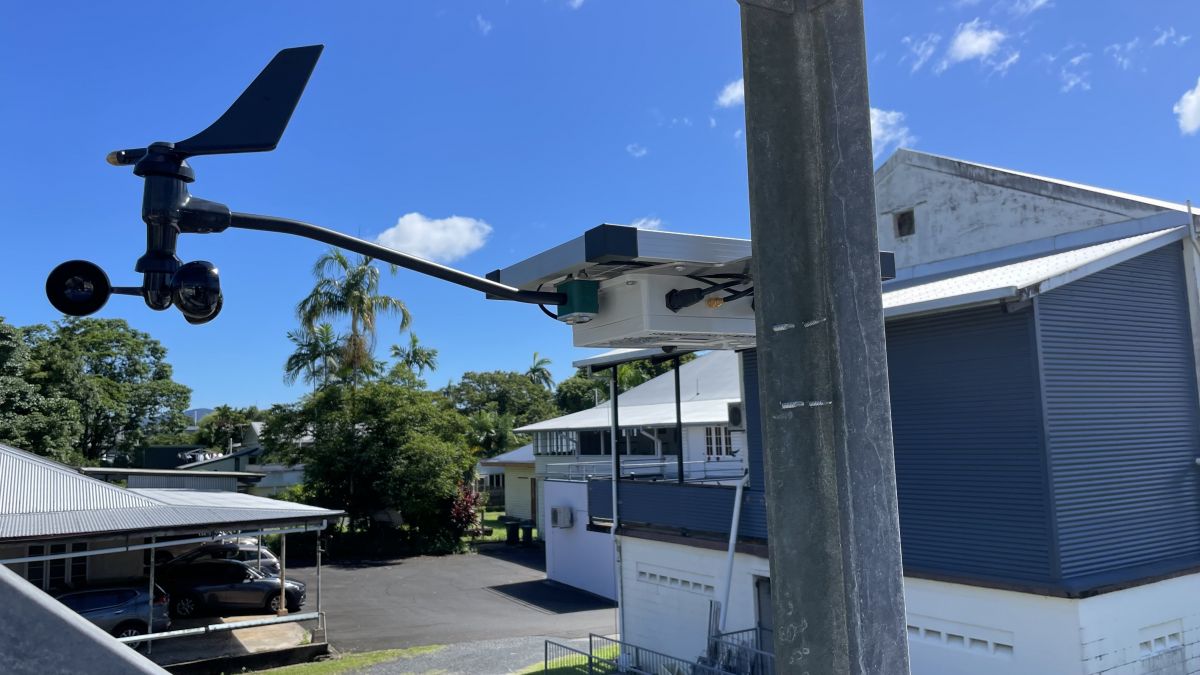 © DETSI Air Quality Monitoring