


Interim Management Directions for Queensland Government’s land acquisitions and conversions to protected areas
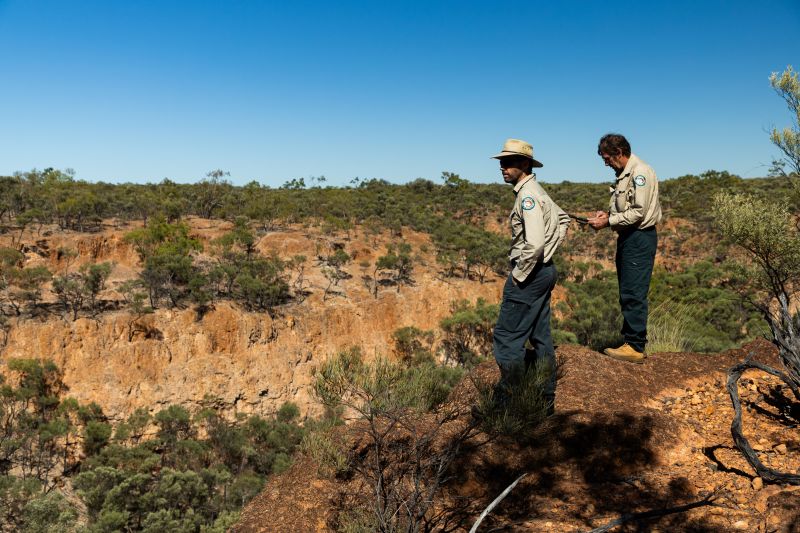 © Chris Mitchell, Queensland Government
As the Queensland Protected Area Strategy 2020-2030 outlines, the Queensland Government actively explores opportunities to grow the protected area estate.
The acquisition of land is prioritised and based on criteria that include:
- contribution to biodiversity
- conservation of threatened species habitat
- protection of Queensland’s First Nations people’s culture
- protection of post-contact cultural heritage
- potential for economic and social benefit
- provision of nature-based recreation and ecotourism
- ability to sequester carbon and provide climate resilience.
Once a property is acquired, the Queensland Parks and Wildlife Service and Partnerships (QPWS&P) State Planning team prepares interim management directions (IMD) that consider:
- the initial acquisition appraisal report (identified values)
- documented information
- local staff knowledge.
IMDs also identify any uses that may not be compatible with the protected area classification, such as legacy infrastructure, impediments and residual impacts from former land uses.
In keeping with the QPWS&P’s Value-Based Management Framework (VBMF) for adaptive management, IMDs support park managers in transitioning these properties to protected areas, prioritising funding and resource allocation to address residual impacts, reduce identified risks, and manage threats to values.
Over time, as the properties transition and our knowledge of values and management effectiveness increases, the management approach adapts as required.
“The Values Based Management Framework (VBMF) provides a consistent methodology for delivering adaptive management over our protected estate. The VBMF continues to improve the visibility of efforts and actions. Over time, this framework will allow for greater evidence-based decision-making, delivering organisational and operational efficiencies and identifying where effort should be prioritised next. The protected areas we manage are precious and ever-changing. The VBMF provides the necessary foundations for comprehensive and adaptive management now and into the future.” - Sylvie Garner, QPWS&P Director of Projects, Planning and Information Technology