National Tropical Weeds Eradication Program
 © National Tropical Weeds Eradication Program
The National Tropical Weeds Eradication Program (NTWEP) protects World Heritage rainforests and tropical habitats from key invasive weed species. Biosecurity Queensland in the Department of Primary Industries manages the program, which is funded by the Australian, state, and territory governments.
The program targets five species in Far North Queensland:
- limnocharis (Limnocharis flava)
- miconia (Miconia calvescens, Miconia nervosa, Miconia racemosa)
- mikania vine (Mikania micrantha).
Under the Biosecurity Act 2014, these weeds are classified as restricted matter. Moving, keeping, giving away, selling, or releasing any of these species into the environment is a serious offence.
The threat to protected areas
Limnocharis, Miconia calvescens and mikania vine are serious weeds in other countries. Miconia nervosa and Miconia racemosa have only shown invasive traits in Far North Queensland. If the program’s five species were established more widely in the Queensland environment, they would:
- displace native vegetation
- degrade sensitive habitats
- increase the cost of agricultural production.
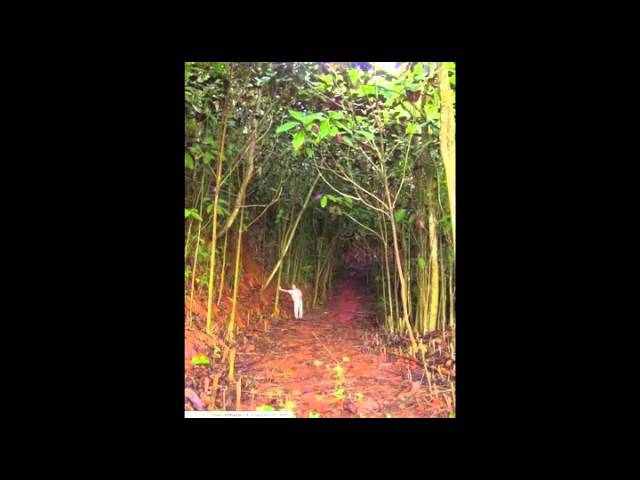
In Tahiti, miconia was planted as a garden ornamental in 1937. It soon escaped into the natural rainforest and has since spread over 65% of the island, threatening to eliminate half the endemic plant species on Tahiti.
Program benefits
NTWEP has been nationally cost-shared since 2002. The program demonstrates the long-term commitment required to eradicate invasive weeds that:
- have a lengthy seed life
- are present in challenging and remote environments
- can be spread by people, machinery and wildlife.
In partnership, the Department of Primary Industries and the Department of the Environment, Tourism, Science and Innovation work collaboratively to conduct extensive surveillance and control activities across national parks and the Wet Tropics World Heritage Area to eradicate these species. The team works with local property owners, community partners, and local government stakeholders to protect the region’s significant natural values of tropical rainforests and wetlands.
Backed by rigorous science, the dedicated team have:
- successfully prevented the wider establishment of target species in Far North Queensland
- minimised their impact in infested areas
- achieved localised eradication at key sites.
The future
Weed eradication programs can take many years. In 2023, an external review of NTWEP concluded that it was making significant progress towards eradication.
Queensland Government agencies will continue to deliver the scientific and technical aspects of the program, working with community partners to eradicate the target species and protect our ecosystems for future generations to enjoy.