


The Lakes – National Park Acquisition
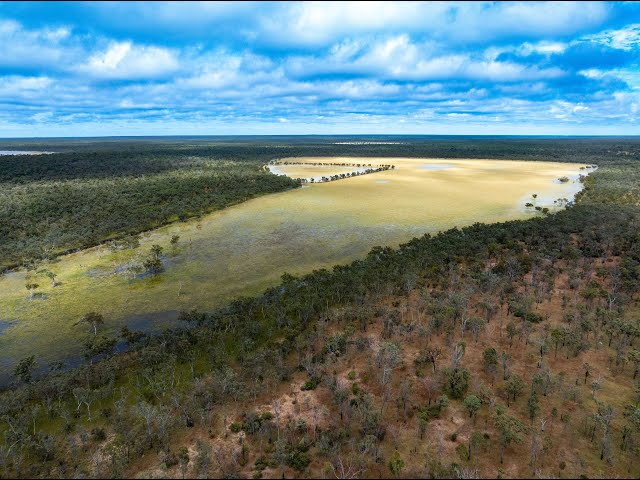
The Lakes National Park (The Lakes), approximately 43,000 hectares, was dedicated on 27 June 2024. The property was formerly a cattle grazing property made up of two parts called ‘The Lakes’ and ‘Pretty Plains’. In 2022, the department purchased the property through a partnership with The Nature Conservancy (TNC). TNC brokered contributions of about 2.7 million dollars from international philanthropic organisations, the Wyss Foundation (Wyss) and the Art into Acres initiative through Re:wild (private US charitable foundations).
The Lakes contains significant biodiversity values, including six endangered and 12 of concern regional ecosystems. Ten of the identified regional ecosystems are either not represented or have low representation in Queensland’s existing protected area estate.
The Lakes sits atop the Great Dividing Range, where the western sandstone slopes of the range replenish the Great Artesian Basin water source. The eastern slopes, which house the headwaters of the South Gregory River, flow into the Burdekin River and, finally, the Great Barrier Reef World Heritage Area. The Lakes has four unique hypersaline lakes classified of high ecological significance and offer habitat to isolated and unique species.
The Lakes is the traditional homelands of the Gudjala First Nations People.
Conservation and cultural values
In April 2023, representatives from the department and the Gudjala First Nations People went on Country for a bioblitz (an intense period of biological surveying) and discovered:
- a new and yet-to-be-described regional ecosystem
- a giant burrowing cockroach
- two newly discovered species of clam-shrimp, only found in these lakes.
In May 2024, representatives from the department, TNC, Wyss and the Gudjala First Nations People spent two days exploring The Lakes and discussing park management goals and aspirations for Country. The property is rich in Indigenous cultural history, with many storylines and songlines crisscrossing the landscape. The South Gregory Ranges are of utmost cultural significance to the Gudjala First Nations People.
After successful negotiations with colleagues from the then Department of Resources, around 1,590 hectares of the stock route that traverses The Lakes was closed and added to the national park on 23 September 2024. This addition made the national park 44,850 hectares and protected parts of The Lakes within the former stock route area.
A spokesperson from the Gudjala People said:
“The Gudjala People were very pleased to hear that the Queensland Government had acquired The Lakes to dedicate it as a new national park. The park will provide strong protection to our sacred places and preserve our cultural heritage values to ensure our strong connection to our Country is maintained, as well as protecting the unique plants and animals that exist across the Gudjala ancestral lands.
We look forward to working closely with the Queensland Parks and Wildlife Service and Partnerships to ensure these places are conserved for future generations.”
The Director of Conservation at The Nature Conservancy, Tony Jupp, said:
“We are thrilled to see this fantastic biodiversity hotspot become a protected place and delighted to have been able, with the generous support of our donors, to help protect it for nature conservation and enable people to visit the area and see the unique lakes.
The Lakes has significant conservation values, including endangered regional ecosystems and ecosystems with low or no protection in the existing protected area estate, such as the tall eucalypt forests dominated by lemon-scented gums and northern cypress pine woodlands.
These forests support a high density of arboreal animals, including northern greater gliders and common brushtail possums.”
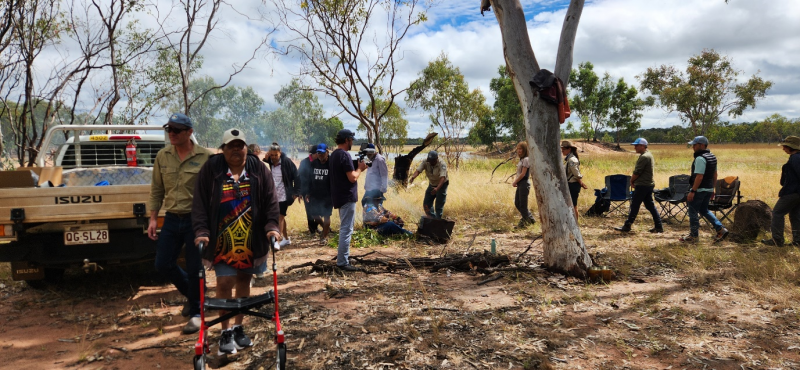 © Sarah Jess from the Department of the Environment, Tourism, Science and Innovation
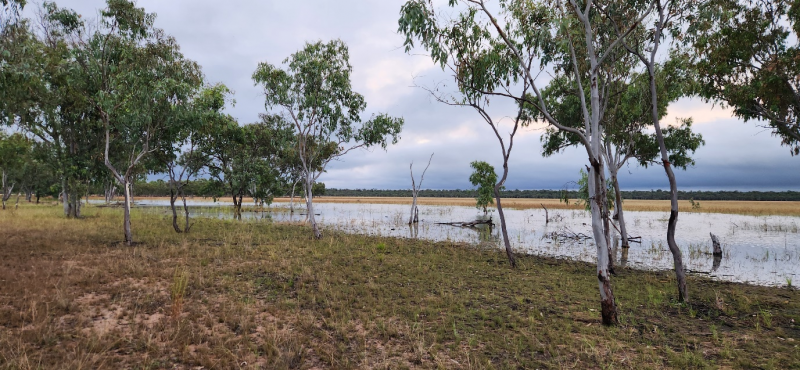 © Sarah Jess from the Department of the Environment, Tourism, Science and Innovation