


Rusa Deer eradication – Understanding and combating
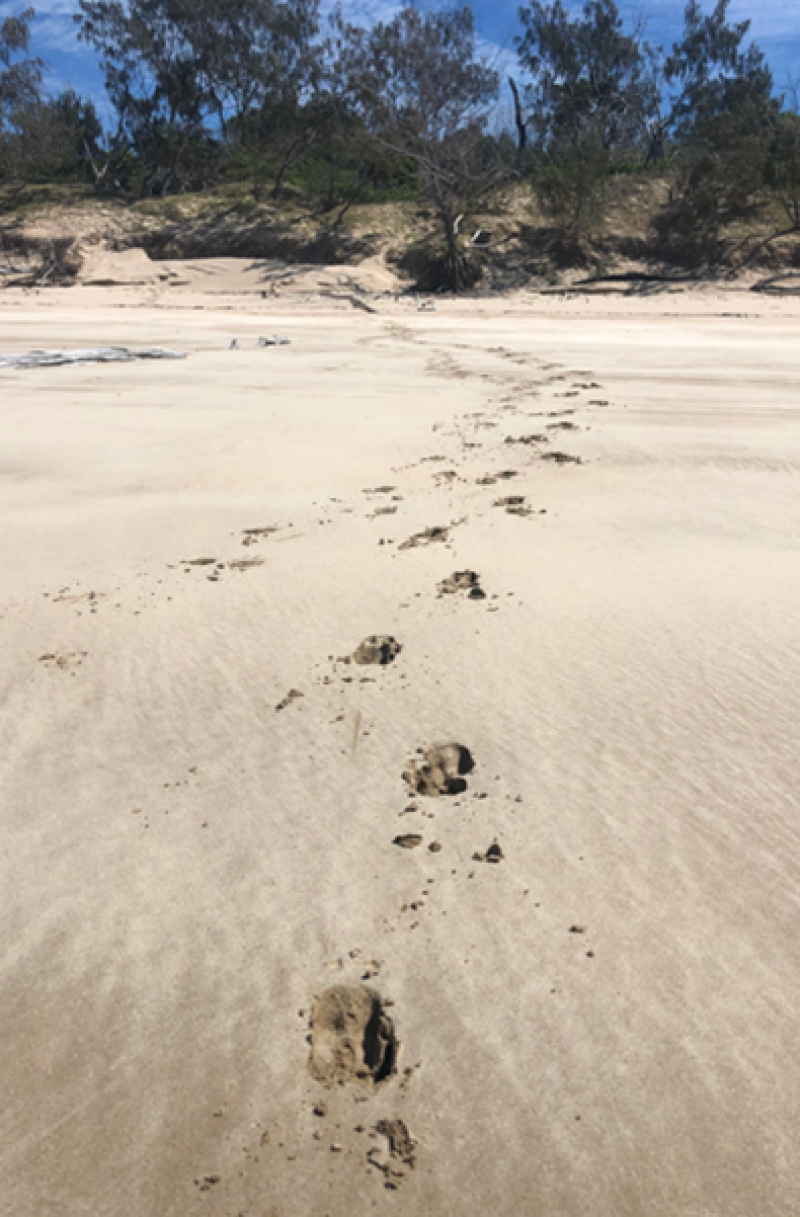 © Courtesy of Dr Tony Pople, Biosecurity Queensland
Rusa deer (Cervus timorensis), native to Indonesia, have been introduced to various parts of the world for hunting. They pose a significant threat to biodiversity. Their presence on Wild Duck Island highlighted the critical need for invasive species management and ecosystem conservation in Queensland.
The Queensland Parks and Wildlife Service and Partnerships and Biosecurity Queensland led the successful eradication of Rusa deer from Wild Duck Island – an essential step towards preserving the island’s fragile ecosystems and ensuring the long-term health of the environment.
How Rusa Deer arrived on the island
Wild Duck Island is a small island located off the coast of central Queensland. The coral cay is known for its rich biodiversity. It is home to many native flora and fauna, including seabirds, turtles, reptiles, and invertebrates. However, the island’s delicate ecosystems were threatened when Rusa deer were introduced in the mid-twentieth century.
Rusa deer are highly adaptable and have a broad diet, feeding on various plant species. Their feeding habits led to the degradation of native vegetation, soil erosion, and habitat destruction, seriously impacting the island’s ecosystem. Native plants, some of which were already vulnerable due to the island’s isolation, were at risk of being wiped out by the browsing pressure of the deers.
Wild Duck Island is also a significant breeding location for flatback turtles. Rusa deer were impacting the turtles’ viability by trampling eggs and preventing females from nesting on the beaches.
Addressing the ecological crisis
Recognising the urgent need to address the ecological crisis caused by the Rusa deer population, the Queensland Government launched a coordinated eradication program. It aimed to remove Rusa deer from Wild Duck Island and restore its natural environment.
The eradication program was complex and required a multifaceted approach. The team used a combination of ground-based shooting, trapping, and surveillance methods to locate and remove the deer. They also used advanced technologies, such as thermal imaging and remote cameras, to monitor the deers’ movement and ensure that all individuals were accounted for. The isolated nature of Wild Duck Island posed logistical challenges but was also an advantage, preventing reinvasion once the deer were eradicated.
The team conducted regular monitoring and follow-up surveys to ensure no deer remained on the island.
Conservation success and lessons learned
The eradication of Rusa deer from Wild Duck Island is a conservation success story. With all the deer removed in 2023, the island’s native vegetation is beginning to regenerate, and seabirds and other wildlife are returning to their natural habitats.
This success highlights the importance of early intervention and a sustained effort in managing invasive species. The case of Wild Duck Island serves as a valuable example for future conservation projects, especially those focused on isolated ecosystems that are particularly vulnerable to invasive species. The program also underscores the importance of collaboration between government agencies, conservation groups, and local communities in achieving long-term environmental goals.
 © Courtesy of Dr Tony Pople, Biosecurity Queensland
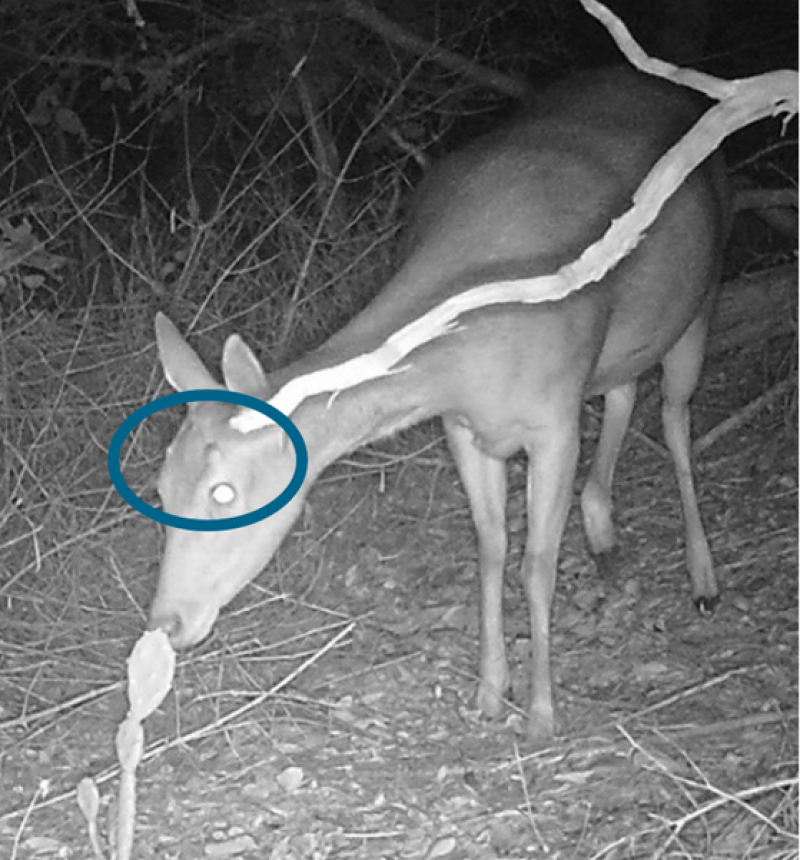 © Courtesy of Dr Tony Pople, Biosecurity Queensland