


Reef Assist Program
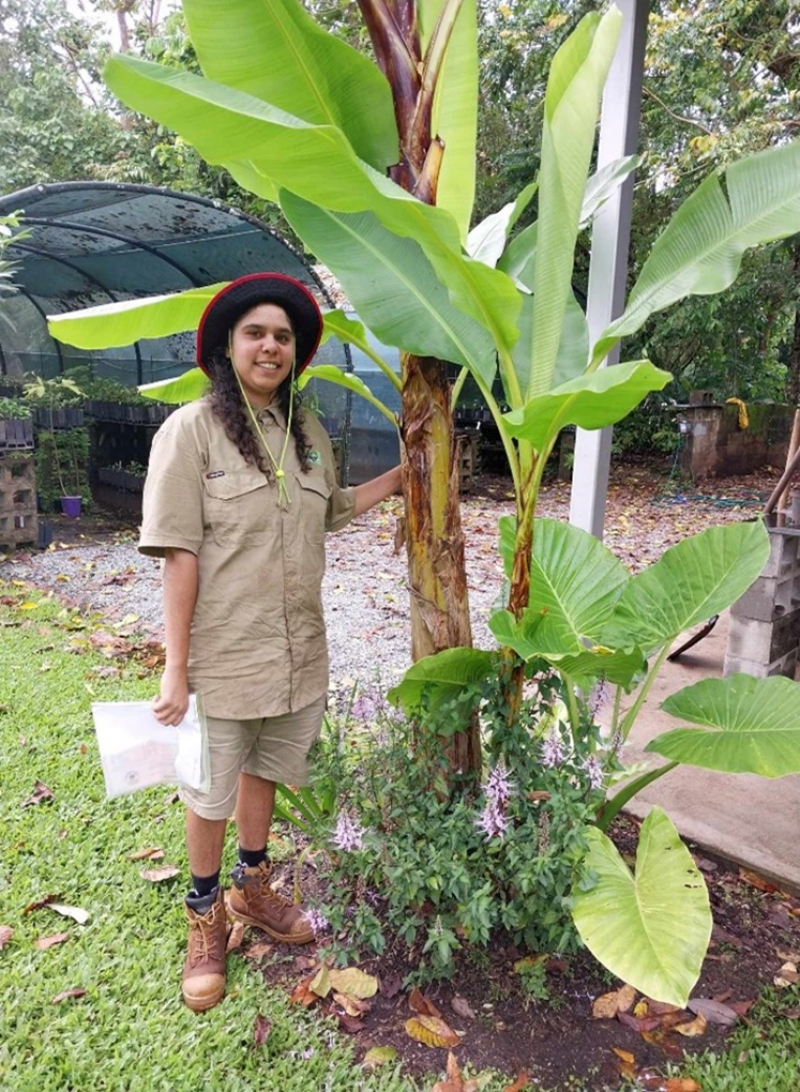 © Courtesy of Johnstone Region Landcare Group
Reef Assist: Delivering jobs and better water quality for the Great Barrier Reef
The Reef Assist program was established in 2020 as a lifeline for tourism-dependent communities impacted by COVID-19. The $33.5 million Reef Assist program delivers priority environmental outcomes for the Great Barrier Reef and regional jobs in the Reef catchments.
Since the program’s inception, 22 projects have been undertaken through Reef Assist 1.0 and 2.0 across the Cape York, the Wet Tropics, Burdekin, Mackay Whitsunday, Fitzroy and Burnett Mary regions.
Environmental outcomes
On-ground works have delivered tremendous environmental outcomes. Activities protecting critical habitat and reducing harmful sediment and nutrient run-off into Reef catchment waterways include:
- gully and streambank remediation
- riparian revegetation
- wetland and coastal restoration
- pest and weed management
- improved agricultural land management.
The program’s statistics include the following:
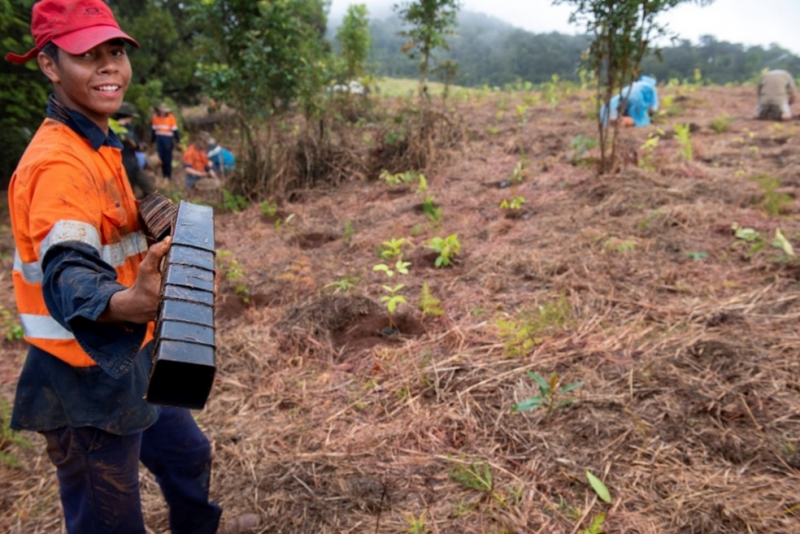
- more than 280,000 native seedlings planted
- over 380 hectares revegetated, with weeds removed from a further 750 hectares
- more than 45km of riverbank revegetated
- over 800 gully erosion remediation structures were built, covering over 50 hectares
- two hundred and twenty coastal island sites were restored, with over one tonne of marine debris collected.
Economic, community and social benefits
The Reef Assist program has also generated significant flow-on economic, community and social benefits for regional Queenslanders.
The first stage of the program, Reef Assist 1.0, partnered with 38 delivery organisations, including:
- natural resource management bodies
- local councils
- public and private organisations
- First Nations and environmental groups.
More than 365 local businesses and contractors were engaged, injecting over $9 million into local economies.
The program strongly focuses on creating jobs for First Nations people and young people. It has generated around 440 full-time, part-time, and casual positions, with more than half of the participants identifying as First Nations and nearly a third as youth. Over 40% of the participants in Reef Assist 2.0 are also women.
The program includes opportunities to work on Country, formal accredited courses, and hands-on natural resource management training. These aspects enhance social wellbeing, provide increased employment opportunities, and foster greater community and cultural connections.
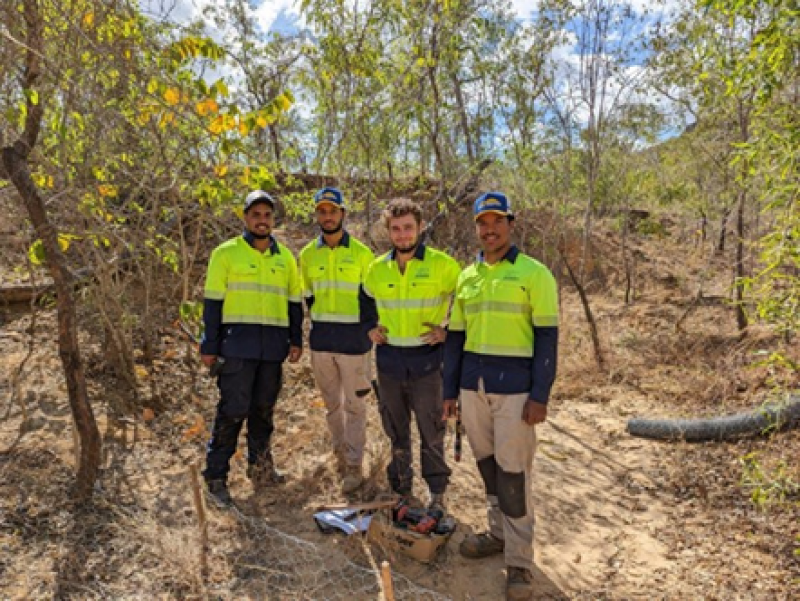
Two First Nations participants working on a project to prevent soil erosion on remote grazing country in the Burdekin shared their views on their work.
“I never thought I’d work in something so significant, and it definitely puts a bigger picture in mind of how things work, from inland to ocean and coast.” - Cade
“This kind of job makes me feel like I’m doing something right for my culture, and I’m very happy about that.” - Ethan
An indigenous ranger spoke about her experience delivering a Reef Assist project in the Wet Tropics. Tracy Satini, Madjandji Ranger said:
“(It’s) starting with Greening Australia that gave us the opportunity to work on Country for Madjandji Aboriginal Corporation. Starting off this project I had no skills, I’ve upgraded my skills now, I’m doing my Cert III (Conservation and Ecosystem Management). Feeling blessed that we are ticking all the boxes and that eventually in the end I will be qualified and have all those skills to carry me through for employment.”
The Reef Assist program is:
- creating a positive legacy
- strengthening communities
- building regional capacity
- helping to protect our iconic Great Barrier Reef for future generations.
The Queensland Government’s Queensland Reef Water Quality Program funds the program.
 © Courtesy of NQ Dry Tropics
 © Courtesy of Wet Tropics Management Authority